

Here's our position on this, stated plainly: if a book isn't working for you, put it down. Not "eventually." Not "after you've given it a real chance, say 100 pages." The moment you notice you're reading the same paragraph for the fourth time because your brain has quietly checked out and is thinking about literally anything else — dinner, a text you need to send, whether pirates ever got seasick — that's the book telling you something. Probably that it's not for you right now. Maybe not ever. Both are fine.
We see this constantly in the shop: someone mentions they're "still working through" a book they clearly stopped enjoying months ago, said with the exact tone people use to confess they haven't been to the gym. That tone is the problem. An unfinished book isn't a failure. It's just information.
Somewhere along the way, finishing became the whole point
Reading gets treated differently than almost anything else people consume for pleasure. Nobody finishes a meal they hate out of politeness to the plate. Nobody sits through the back half of a movie they checked out of an hour ago because they already paid for the ticket (okay, to be fair, some of you cheap landlubbers do this). But books carry this extra weight — like walking away partway through says something about you, rather than something about the match between you and that particular book at that particular time.
It doesn't. Interest is not a moral position. Being unable to get into a book on a given Tuesday says nothing about your intelligence, your attention span, or your character. It says the timing was off, or the style wasn't a fit, or you were reaching for something the book wasn't offering. That's not a flaw to fix. That's just how taste works.
The sunk cost is the whole problem
Almost every reason people give for pushing through a book they're not enjoying comes down to some version of "I've already put in so much time." Which has the logic backwards. The hours already spent are gone either way — they don't come back if you finish, and they aren't wasted if you stop. The only real question is whether the next chapter is worth reading, on its own terms, starting now. Everything before that point is a sunk cost, and sunk costs are famously bad reasons to keep doing anything.
A real test, not a vibe
So how do you tell the difference between a rough patch worth pushing through and a book that's actually done with you? A few questions worth asking, in order:
Do you know what's happening? Not "do you love it" — do you even understand who these people are and what they want? If you're several chapters in and still can't say what's going on or why it matters, the book hasn't done its most basic job yet.
Are you reading it, or reading around it? Skimming paragraphs, rereading the same page twice, picking up your phone mid-chapter without meaning to — your attention tends to vote honestly even when the rest of you won't admit it.
Would you tell a friend in your exact spot to keep going? This one's the cheat code. It's easy to be harder on yourself than the situation deserves, and easier to give someone else good advice. If a friend described your exact experience — bored, lost, forcing every page — you'd probably tell them it's fine to stop. Worth extending yourself the same courtesy.
If the honest answers are discouraging across the board, that's your cue. Set it down.
The exceptions, because there are always exceptions
This isn't an argument for abandoning anything that gets difficult. Some genuinely rewarding books ask for patience early — a slow setup, dense opening chapters, prose that takes time to find its rhythm. The test above still applies, and sometimes the honest answer is "keep going," because you understand what's happening and you're curious what comes next, even without being fully hooked yet. That's a different feeling than confusion or checked-out attention, and it's worth trusting when it shows up.
The other exception is anything read for a book club, a class, or work — situations where finishing serves a purpose beyond your own enjoyment. Abandon those at your own risk, or at least give people fair warning before showing up without an opinion on the ending.
Permission, if you need it in writing
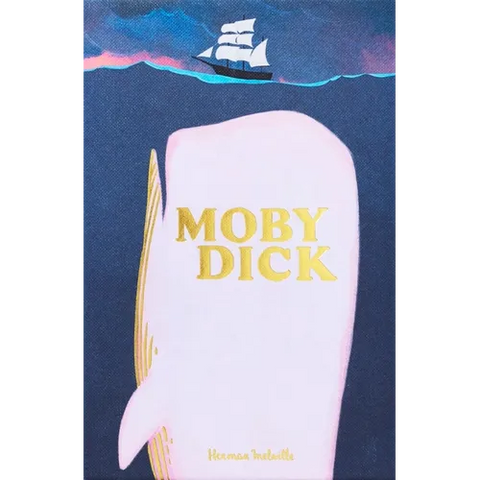
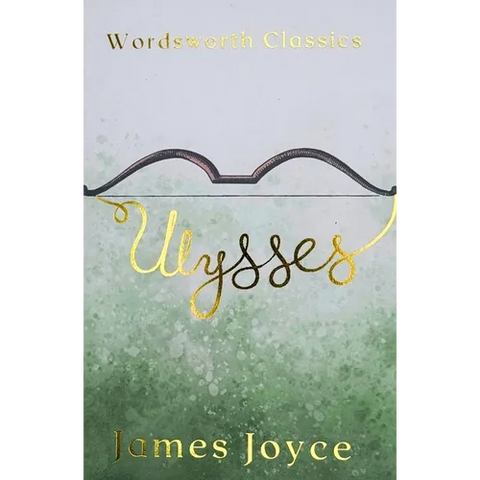
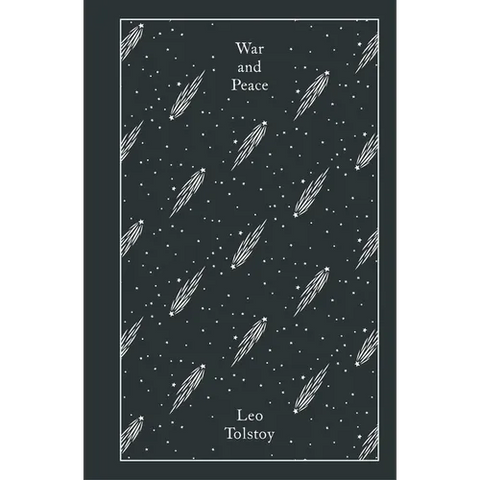
A few famously abandoned titles, and our honest read on how much guilt is actually warranted:

What actually happens when you let yourself quit
Here's the part that surprises people: permitting yourself to abandon books tends to make you read more, not less. Once finishing stops being mandatory, starting stops feeling risky. You reach for less predictable books, because a bad match now costs an evening instead of feeling like a mistake you're stuck with. You move on faster from what isn't working, which means more time goes to what actually is. The guilt was never protecting your reading life. It was just slowing it down.
So if there's a book sitting half-read somewhere that you've quietly given up on, that's alright. It did its job — it told you something true about the fit — and that's not nothing. It's just not a debt.
Want to actually finish more of what you start?
If the issue isn't that a particular book is wrong for you, but that focusing on books in general feels harder lately, that's a different problem with a different fix — we've written before about when to push through versus put a book down, and about strategies for actually retaining what you read once you've found the right one.


