We should probably clarify something before we get too deep into this list: not every book about the sea is a book about pirates, and not every book about pirates is a book we'd stand behind. There is a lot of dreck out there — cash-grab paperbacks with a skull stamped on the cover and nothing behind it. So we split the difference here. Half of this list is the fiction we'd actually recommend, the stuff that earns its cutlasses. The other half is nonfiction, because the real history of piracy is stranger, funnier, and considerably bloodier than most novelists bother to invent.
Swashbucklers, old and new
This is pirate fiction in the classic sense — plots, plunder, and at least one character who's more fun to root against than for. We went looking for books that hold up past the nostalgia of the genre, not just the ones everyone name-drops.
By
Rafael Sabatini
The book that basically defined the swashbuckler genre for the twentieth century, and the direct ancestor of every dashing-rogue-turned-pirate-captain story that followed, Errol Flynn included. Peter Blood is a doctor wrongly sold into slavery who ends up commanding the most feared ship in the Caribbean — pure, unapologetic adventure, written with more wit than the genre usually gets credit for.
The book that invented nearly every pirate trope you know: the map, the X, the parrot, the one-legged sea cook you can't help rooting for. Long John Silver remains one of literature's slipperiest villains precisely because you keep hoping he isn't one. Short, fast, and arguably better read as an adult, when you notice how morally murky it actually is.
By
Tim Powers
Blackbeard as an actual sorcerer, the Fountain of Youth as a real destination, and a puppeteer-turned-pirate caught in the middle. This is the book Disney quietly raided for pieces of the fourth Pirates of the Caribbean movie, and the original is stranger and better than anything that made it to screen. A cult favorite among people who know Powers is one of the best "what if magic were real and nobody wrote it down" writers working.
A genuinely strange, unsettling classic: a group of English children are kidnapped by pirates in the Caribbean, and the pirates turn out to be far less dangerous to them than the children are to everyone else. Equal parts adventure story and dark comedy about the moral blankness of childhood — not remotely what the title suggests, in the best way.
Yes, this counts. Captain Hook is one of the great pirate villains in the language, and the original 1911 novel is stranger, sadder, and considerably more adult than the Disney version prepared you for. Worth revisiting even if you think you already know the story — you don't, not really.
A 17th-century Jamaican privateer sets out to raid a Spanish treasure galleon, in a manuscript found on Crichton's computer after his death and published posthumously. It reads exactly like you'd hope — a page-turning, meticulously researched adventure from a writer who could make anything feel urgent, applied here to cannons and cutlasses instead of dinosaurs.
The primary sources
If you want to understand where every pirate story on Earth actually comes from, this is the shelf. These three books, in different centuries, essentially built the modern idea of what a pirate is — the flag, the code, the whole mythology.
By
Charles Johnson
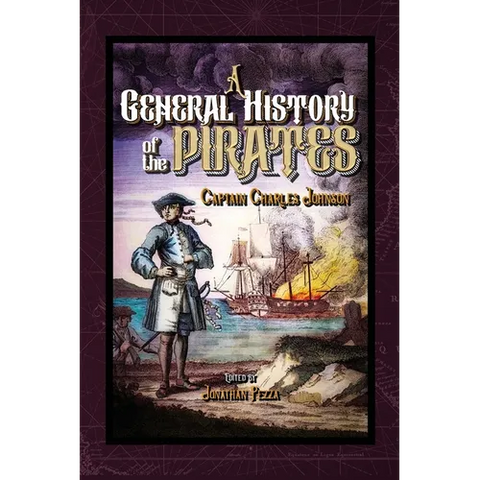
Published in 1724, this is where most of what you think you know about pirates actually comes from — Blackbeard, Calico Jack, Anne Bonny, Mary Read, all of it. Nobody's entirely sure who "Captain Charles Johnson" really was, which is somehow perfectly fitting for a book that's part reportage, part myth-making, and the single most influential pirate book ever written. Dense in places, but essential.
By
David Cordingly
The book that separates the pirates of Hollywood from the pirates of the historical record, written by a former National Maritime Museum curator who clearly delights in correcting the record. Weapons, ships, the real Anne Bonny and Mary Read, and the actual (much grimmer) mechanics of piracy, told with real narrative pull.
By
Colin Woodard
The true story of the "Flying Gang" — Blackbeard, Sam Bellamy, Charles Vane, and the loose pirate republic they ran out of the Bahamas, where servants were free, and captains could be voted out. This is the book Black Sails was built on, and it's better than the show: a genuinely radical, short-lived experiment in self-governance that history mostly forgot.
The pirates' history left out
Most pirate history is written as a parade of bearded men. This section corrects that, and takes a closer look at who actually made up a pirate crew — women included, and with rather more nuance than "cash-grab, bloody swashbucklers" gets credit for.
By
Laura Sook Duncombe
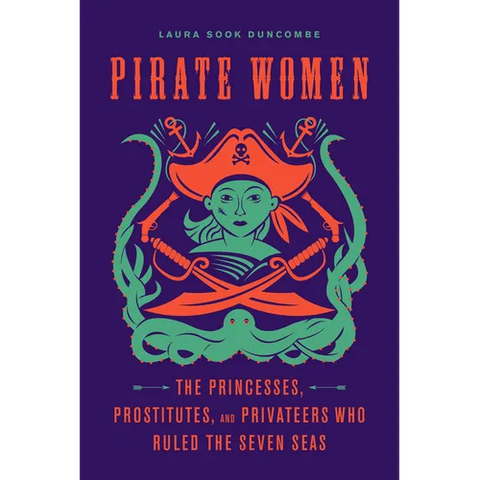
A history of the women who actually sailed under the black flag — some legendary, like Anne Bonny and Mary Read, and plenty more that mainstream pirate history quietly dropped. Duncombe is upfront about where the historical record gets thin and where it's outright myth, which makes the book more trustworthy, not less.
By
Marcus Rediker
A social history of the Golden Age of Piracy that treats pirate ships as what they actually were: floating, makeshift democracies built by sailors, runaway slaves, and deserters with nothing left to lose. Rediker makes a compelling case that pirate crews were one of the most genuinely egalitarian institutions of their era — a very different read from the "villains" of the title.
By
Angus Konstam
The definitive biography of the genre's biggest name, written by a maritime historian who's spent decades on actual pirate shipwrecks, including the excavation of Blackbeard's own flagship. Thorough where it can be, honest about where the record simply runs out — which, for a man this mythologized, is more often than you'd think.
Where to go from here
If the fiction half of this list left you wanting more sea and less flag, our best sea adventure books post covers the rest of that shelf — Moby-Dick, The Wager, and fifteen more. And if you'd rather stay in the classics lane a while longer, 20 western canon books will keep you busy for a good long while.
As always — if there's a pirate book, real or invented, that you think earned a spot here and didn't get one, we want to hear about it. The shop's shelves are never really finished.