

Dune has a strange reading-order problem: unlike Discworld or the Cosmere, the confusion here isn't about picking a starting point — it's about knowing where the story actually ends, or at least where your version of it should. Frank Herbert wrote six novels before he passed away in 1986. His son Brian Herbert and co-author Kevin J. Anderson have since added more than a dozen more — prequels, side stories, and two books completing Frank's own outline for a seventh novel. All of it is technically "Dune." Not all of it needs to be on your list.
So this guide is built around the question people actually ask us, which is right there in the title: how far do I go? Short answer up front — read Frank Herbert's original six, in order, and stop there unless you already know you want more. Everything below explains why, and gives you an honest map of what's waiting if you do want more.
The essential trilogy
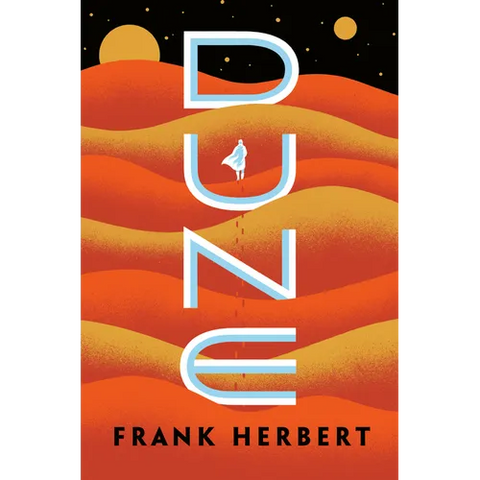
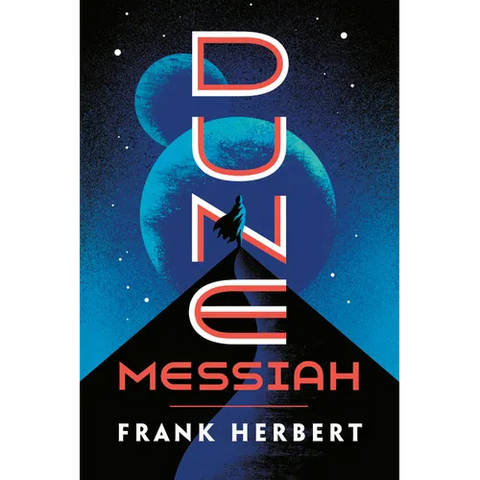
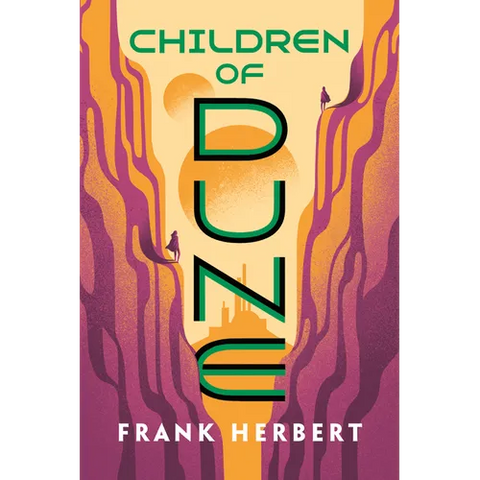
If you've seen the recent films and want the books that inspired them, this is your minimum. Dune covers the first movie and the start of the second; Dune Messiah is the direct basis for the newly announced Dune: Part Three; Children of Dune completes the story Frank Herbert originally considered a single unit before he kept going. Read these three back to back — they were written close together, and it shows.
The back half: where opinions genuinely split
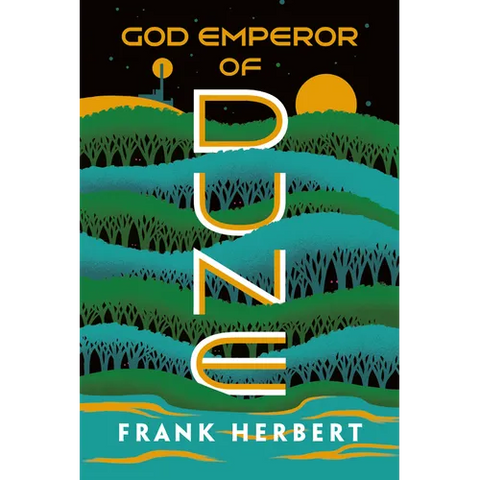
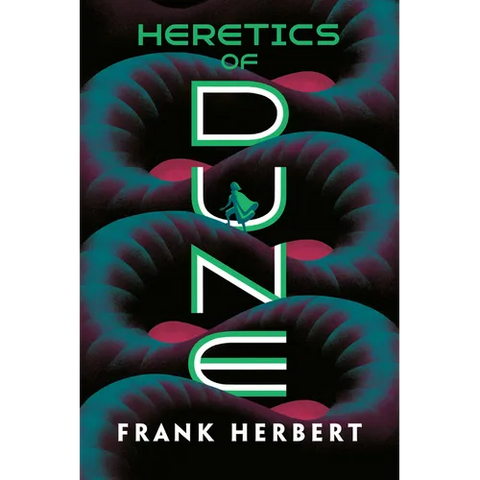
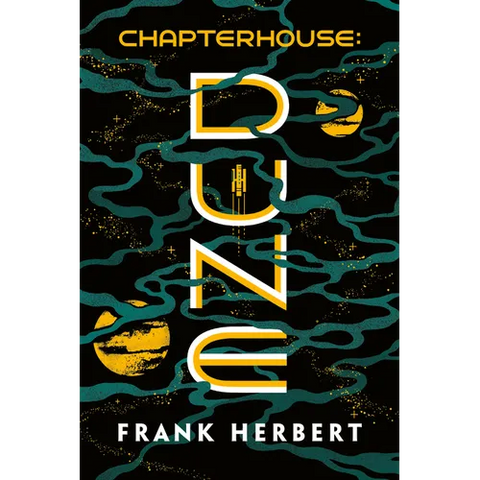
Here's the honest part. God Emperor of Dune is the single biggest fork in the road for Dune readers — a wildly ambitious book, and also a real pace and tone shift that loses some readers entirely. If you found Children of Dune's density rewarding rather than exhausting, keep going; the next three books are stranger, slower, and — for the right reader — some of the most rewarding science fiction ever put to page. If Children of Dune already felt like a lot, it's genuinely fine to stop there. You'll have read a complete, satisfying trilogy either way.
If you want more: the extended universe
After Frank Herbert's death, his son Brian Herbert and co-author Kevin J. Anderson continued expanding the universe, mostly through prequels set before the original novel. Reception among longtime readers is genuinely mixed — these are different books, written by different hands, and most readers treat Frank Herbert's six as the core work and everything else as optional expansion. That's a completely reasonable place to land. If you do want more, these are two solid, different entry points into that wider material.
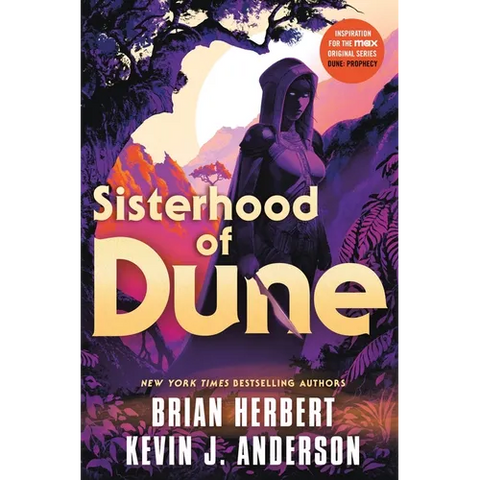
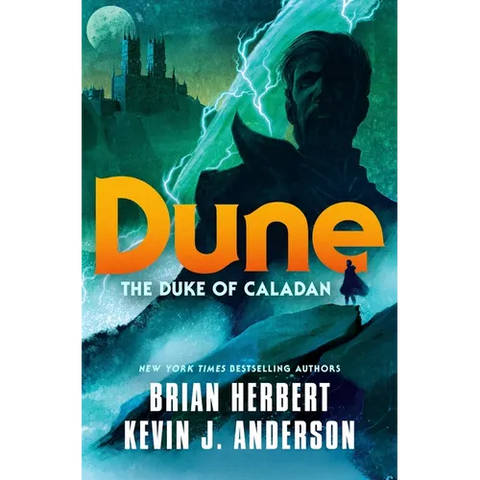
Beyond these two, the prequel side of the universe keeps going — the Legends of Dune trilogy covering the ancient Butlerian Jihad and several others. None of it is required to understand or enjoy Frank Herbert's original six, so treat it the way you'd treat any spinoff: worth exploring if this universe has genuinely gotten its hooks in you, entirely skippable if it hasn't.
Our honest recommendation
Read the original six. If you love where Children of Dune leaves things, that's a complete and satisfying place to stop. If God Emperor of Dune grabs you the way it grabs some readers, keep going through Chapterhouse and you'll have read one of the most ambitious science fiction sagas ever finished by a single author. Everything past that is genuinely optional, written by other hands, for readers who want to stay in this universe a while longer. There's no wrong amount to read here — just an honest map of where each stopping point actually leaves you.
Where to go from here
If Dune's scale and density are exactly what you're after, our best sci-fi books of all time has more in the same register. And if series this size are your comfort zone, our guide to reading Brandon Sanderson's Cosmere in order is a natural next stop.
However far into the sands you decide to go, we'll have the next book waiting.


