

You finished The Lord of the Rings. Possibly twice. Or maybe you want to. And now you've discovered there are somewhere between six and thirty more Tolkien books, depending on who's counting, half of them assembled posthumously by his son, several of them containing three different versions of the same story.
The confusion is real, and it's nobody's fault. Tolkien published four Middle-earth books in his lifetime. Christopher Tolkien spent the next forty years editing his father's papers into twenty more — which means most of the legendarium exists as drafts, variants, and scholarly apparatus rather than finished novels. There is no single correct order because the books weren't written in one.
What follows is the complete list, arranged chronologically by the Age each story takes place in, with an honest note on which ones are actual narratives and which are for people who want to see the scaffolding. Grab some second breakfast.
Before the full list: where most readers should actually go next
If you've just finished The Lord of the Rings and want the shortest path to more good reading, it's these three. Everything else on this page is for after.
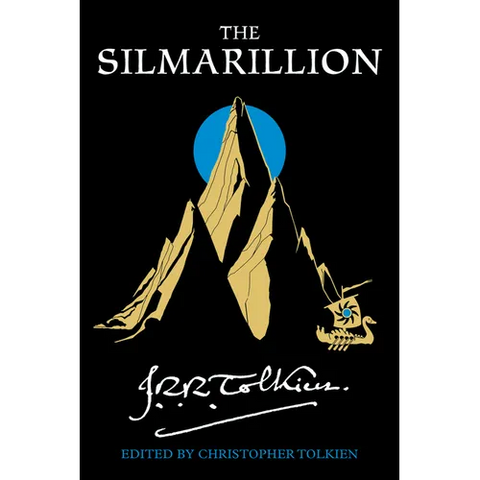
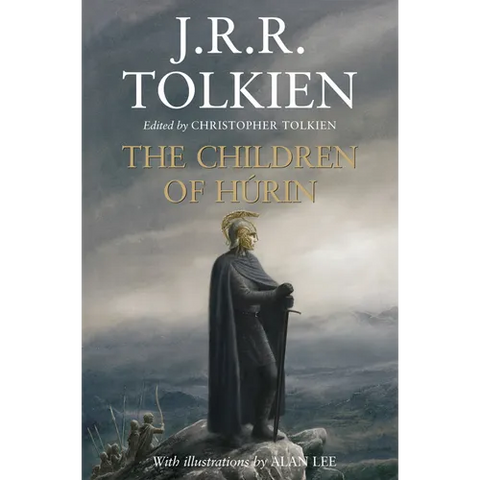
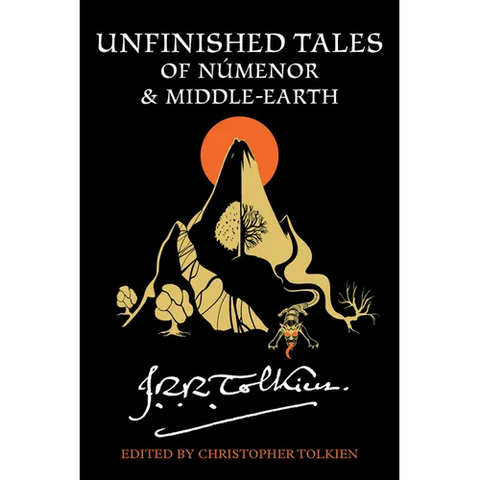
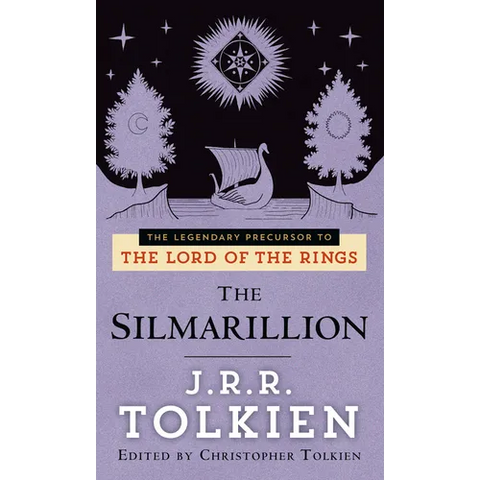
The Silmarillion is the mythology the whole legendarium rests on — but it reads like scripture rather than a novel, and it's where a lot of readers stall. Go in expecting Genesis, not Frodo, and it opens up. The Children of Húrin is the one to read if you want an actual novel: a complete, brutal First Age tragedy assembled into continuous narrative. And Unfinished Tales is the best pick for readers who mainly want more of the world they already know — it has Gandalf explaining, decades later, why he really sent Bilbo to Erebor.
What is Middle-earth?
 Map of Middle-earth, courtesy of LOTR Fandom Wiki
Middle-earth is the continent, not the world. The world is Arda, and Middle-earth is one landmass on it — which matters once you start reading about Valinor and Númenor and wondering where they sit.
The history divides into Ages. The First Age is the Elves and the war against Morgoth, the original dark lord. The Second Age is the rise and drowning of Númenor and the forging of the Rings. The Third Age is everything you already know — Bilbo, Frodo, Sauron, the War of the Ring. The Fourth Age is what comes after, and Tolkien wrote almost none of it.
How time works in Middle-earth
Entirely unnecessary. Included anyway, because if you're here you're the kind of person who wants it.
| Time unit | Earth days equivalent |
|---|---|
| 1 Year of the Sun | Approximately 365.24 days |
| 1 Yén | 144 Years of the Sun = 52,585.76 days |
| First Age | 3,441 Years of the Sun = 1,256,144.44 days |
| Second Age | 7,053 Years of the Sun = 2,576,037.72 days |
| Third Age | 3,021 Years of the Sun = 1,103,134.04 days |
| Age | Years of the Sun |
|---|---|
| First Age | 1 to 590 |
| Second Age | 591 to 4031 |
| Third Age | 4032 to 7052 |
| Fourth Age (post-LOTR) | 7053 and beyond |
The First Age: the Great Tales
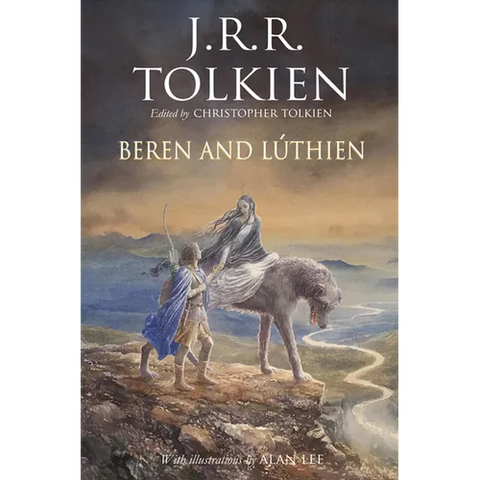
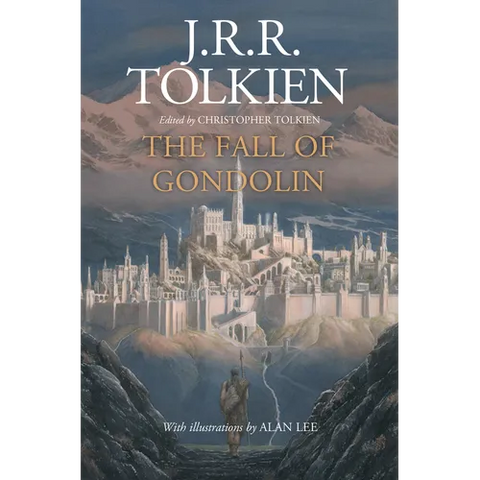
Tolkien considered three stories the heart of the First Age and returned to them his entire life without finishing any to his satisfaction. Christopher published each as a standalone volume, showing the versions side by side.
The First Age: the History of Middle-earth volumes
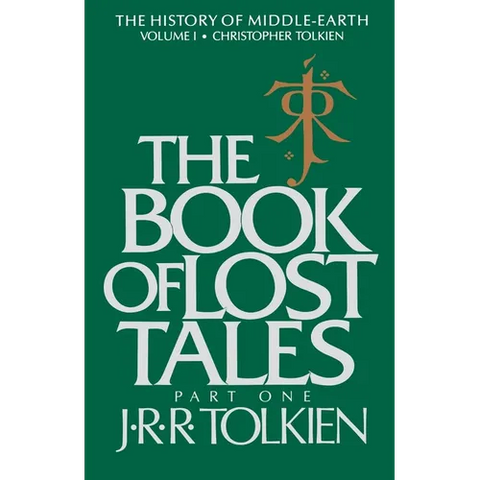
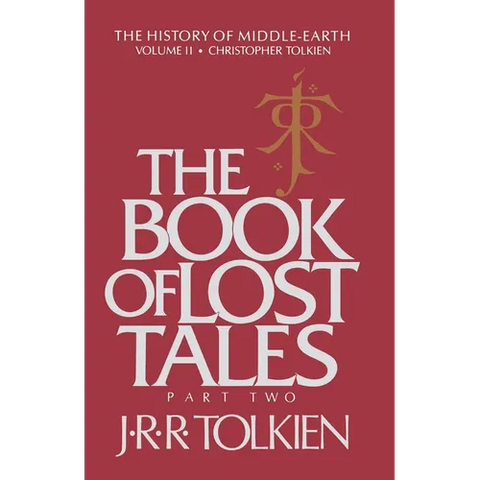
Here's where honesty helps. The History of Middle-earth is a twelve-volume scholarly edition of Tolkien's drafts, with Christopher's commentary. It is not narrative reading. It's for people who want to watch a mythology being built and revised over sixty years — which is a genuine pleasure, but a different one than reading a novel.
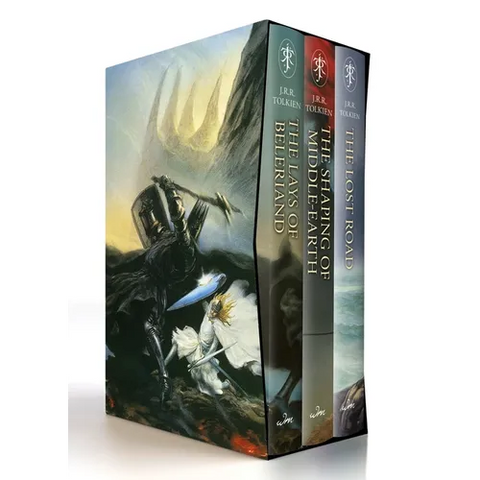
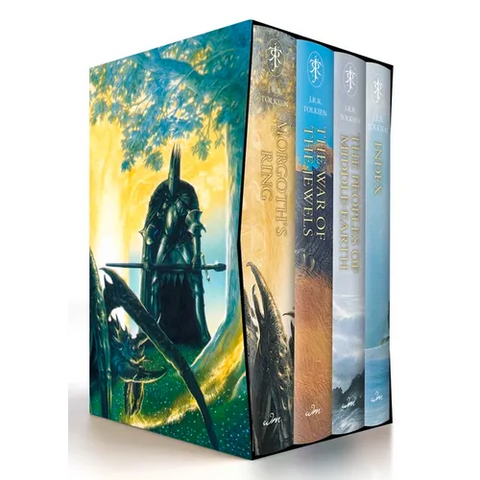
Two more First Age volumes exist but are no longer printed on their own — both are available only inside History of Middle-earth Box Set 4, listed further down this page.
Morgoth's Ring
by J.R.R. Tolkien
Tolkien's late-life philosophical writing on the First Age: the nature of Elvish immortality, the problem of evil, and a substantial revision of the creation account. More essay than story, and essential if that's the register you want.
The War of the Jewels
by J.R.R. Tolkien
The later First Age material, including the fullest version of the annals of Beleriand and detailed accounts of the wars against Morgoth. The direct companion volume to Morgoth's Ring.
The Second Age: Númenor and the Rings
The Age the Rings of Power series draws on, and the thinnest in terms of finished material — Tolkien wrote comparatively little of it as narrative.
The Third Age: the books you already know
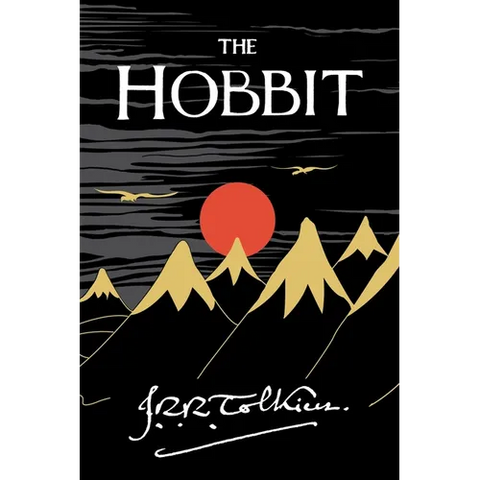
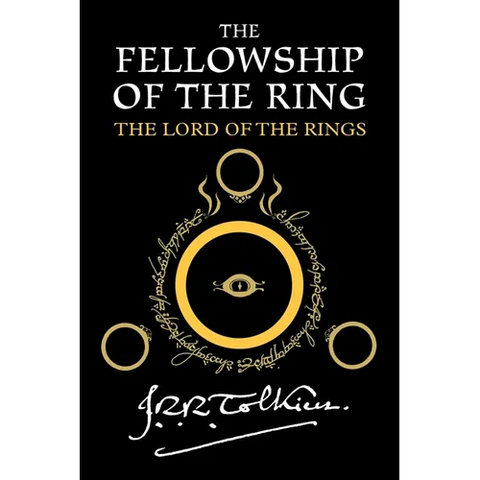
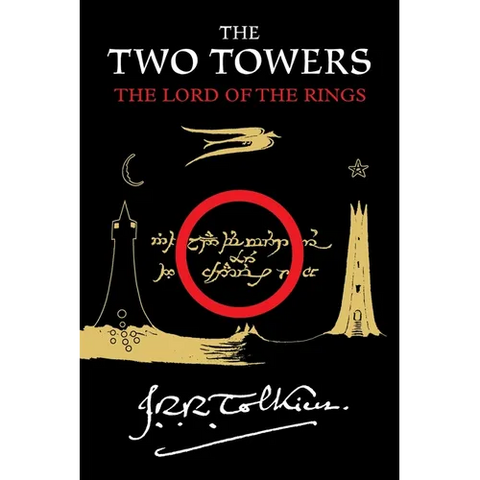
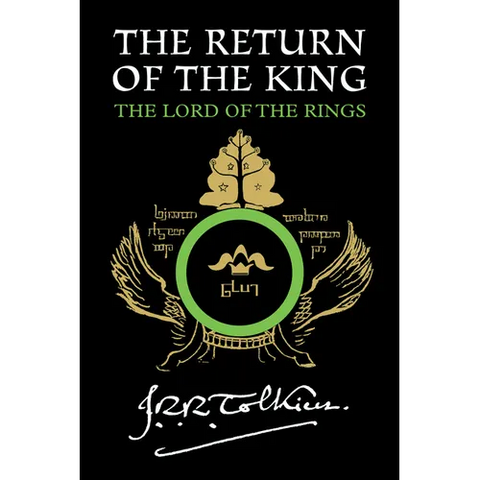
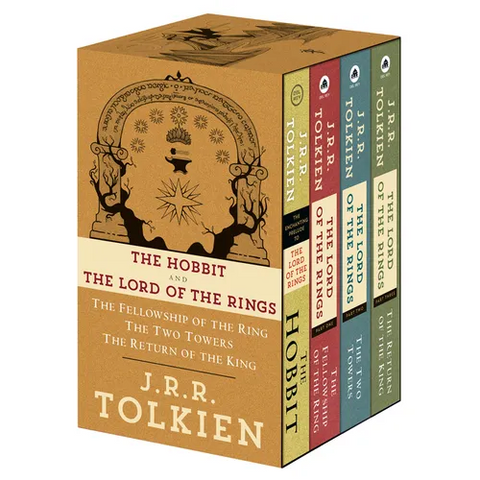
The published narratives, in order. If you're here, you've read most of these — but the reading order matters if you're recommending them to someone else.
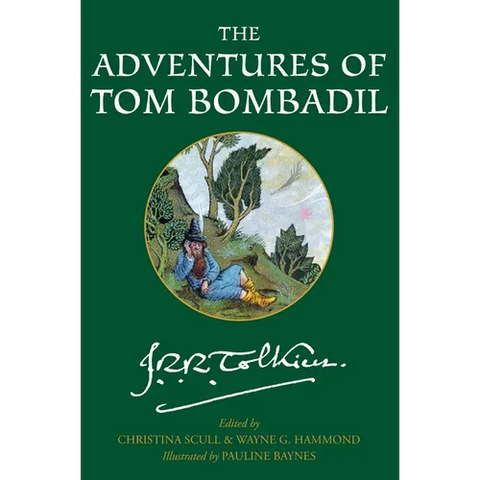
The Third Age: the drafts
Four volumes of the History of Middle-earth tracing how The Lord of the Rings was actually written — including an early draft where the hobbit protagonist was named Bingo and Strider was a wooden-shoed hobbit called Trotter.
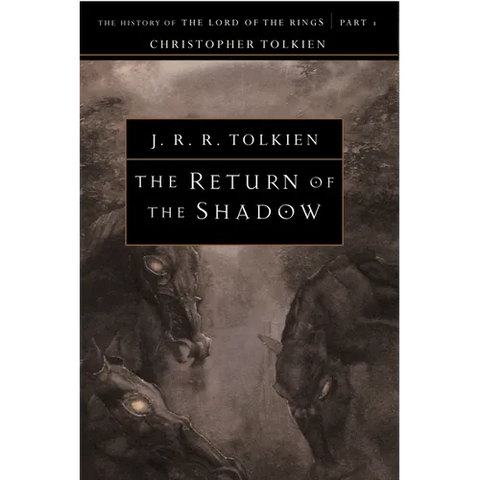
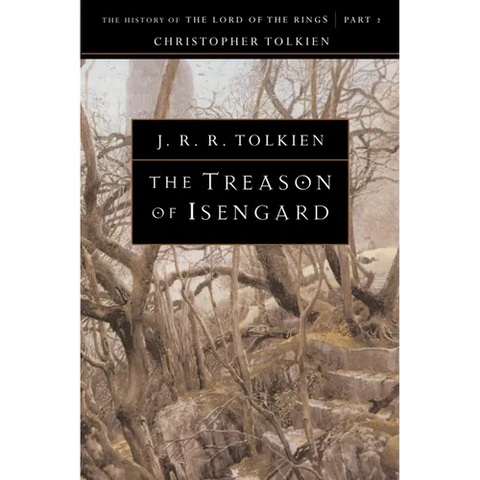
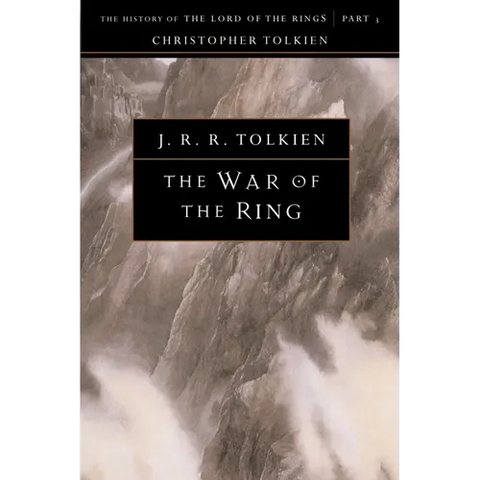
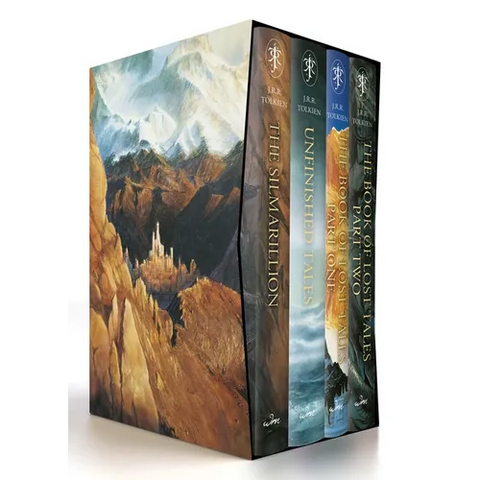
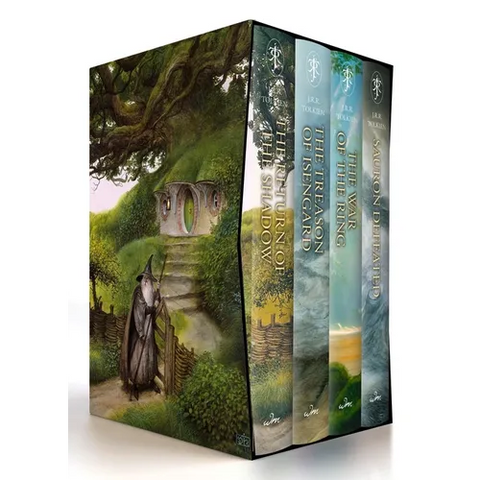
The last two volumes of the drafting history are box-set only. Sauron Defeated comes in Box Set 3; The Peoples of Middle-earth comes in Box Set 4. Both sets are listed below.
Sauron Defeated
by J.R.R. Tolkien
The drafting of the end of The Lord of the Rings, plus the Notion Club Papers — an abandoned novel involving an Oxford literary club and Númenor that is one of the strangest things in the entire legendarium.
The Peoples of Middle-earth
by J.R.R. Tolkien
The final volume: late writings on languages, genealogies, and the appendices, plus a fragment of a sequel to The Lord of the Rings that Tolkien abandoned because it was turning out too dark to continue.
Everything else
Two odds and ends that don't fit the Ages but belong on the shelf.
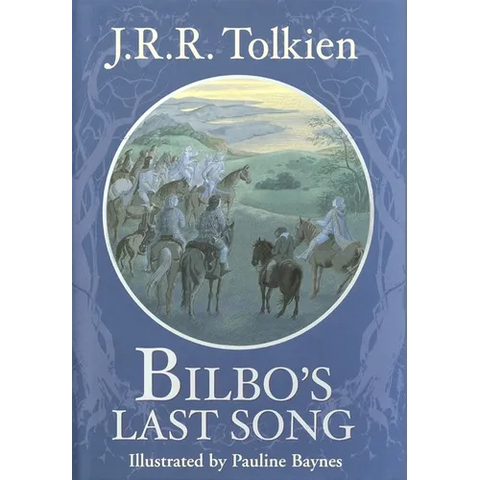
And one that isn't in any set at all:
The Road Goes Ever On: A Song Cycle
by J.R.R. Tolkien and Donald Swann
Tolkien's poems set to music by Donald Swann, with Tolkien's own notes on the Elvish texts of Namárië and A Elbereth Gilthoniel. Long out of print and not collected in any box set — this one is a genuine used-shelf find, and worth grabbing on sight if you ever spot a copy.
The boxed sets, which are how most people actually buy this
Several History of Middle-earth volumes are no longer printed individually, and the sets work out cheaper than assembling them piecemeal even where you can.
Where to go from here
If Middle-earth has ruined you for everything else, our 50 best fantasy books is organized by subgenre so you can find the closest thing to whatever you loved most here. The Cosmere reading order maps the only modern legendarium built on a comparable scale, and the complete Discworld reading order covers 41 books by a writer who loved Tolkien enough to spend a career gently teasing him.
Spotted an error or a volume we've missed? Tell us. This post will go out of date every time a new edition appears, and we'd rather hear it from you than not at all.


